







8-Week Treadmill 10K Training Plan with Pace Settings
Complete Guide to Treadmill 10K Training: 8-Week Progression Plan + Pace Settings
Introduction: The 10K Dream on a Treadmill
Imagine standing in front of your treadmill, facing what seems like an endless road. You take a deep breath, press the start button, and the treadmill begins to move. This isn't just another run; it's your declaration of war against the 10K challenge.
I remember my first attempt at running 10K on a treadmill, the mix of excitement and nervousness. The numbers on the treadmill kept ticking up, each step pushing my limits. Many, like me, dream of conquering the 10K on a treadmill but often give up halfway. Why? Because they lack a scientific training plan, proper pace settings, and the motivation and confidence to keep going.
User Pain Points and Needs:
- Unsure how to train scientifically on a treadmill
- Lack of a systematic training plan
- Improper pace settings leading to uneven energy distribution
- Lack of motivation and confidence, resulting in giving up
Value Provided by This Article:
- A complete 8-week progression training plan to gradually enhance your fitness
- Detailed pace setting guide to ensure efficient treadmill running
- Practical training tips and precautions to avoid injuries
- Personal experience sharing to inspire persistence
What to Expect:
- You'll learn how to perform different types of training on a treadmill
- You'll understand how to adjust training intensity based on your ability
- You'll receive a specific 8-week training plan to progressively improve your running
- You'll discover that treadmill running can be fun and challenging
Core Content: Scientific Training on a Treadmill
First Section: Understanding Basic Running Training Concepts
Running training isn't just about speed or distance; it's a science. Jack Daniels, in his book "Daniels' Running Formula," outlines several training phases, each with specific purposes and intensities.
E (Easy Run):
- Purpose: Recovery and base endurance training
- Intensity: Heart rate at 60%-70% of max
- Applicable for: Beginners or as recovery runs after intense sessions
- On the Treadmill: Set the incline to 0, speed at 3-3.7 mph, maintain a relaxed pace
M (Marathon Pace):
- Purpose: To improve marathon endurance
- Intensity: Heart rate at 70%-80% of max
- Applicable for: Runners preparing for a marathon
- On the Treadmill: Set speed to your target marathon pace, typically 10%-15% slower than your 10K pace
T (Tempo Run):
- Purpose: To increase lactate threshold and endurance
- Intensity: Heart rate at 80%-88% of max
- Applicable for: Intermediate runners looking to improve race times
- On the Treadmill: Set speed 5%-10% faster than your 10K pace, maintain a steady rhythm
I (Interval Run):
- Purpose: To boost aerobic capacity and speed
- Intensity: Heart rate at 88%-92% of max
- Applicable for: Advanced runners seeking speed improvement
- On the Treadmill: Set speed 10%-15% faster than your 10K pace for short bursts, interspersed with recovery runs
R (Repetition Run):
- Purpose: To enhance VO2max
- Intensity: Heart rate at 92%-100% of max
- Applicable for: Elite runners aiming for maximum speed
- On the Treadmill: Set speed 15%-20% faster than your 10K pace for short sprints, with long recovery runs in between
Example: I recall doing an I (Interval Run) session on the treadmill, setting it for 1-minute sprints at 7.5 mph, followed by 2-minute recovery jogs at 5 mph. This not only got my heart racing but also gave me time to adjust my breathing and heart rate during recovery.
Reflection Question: Have you tried different types of training on a treadmill? Which one do you find most challenging?
Second Section: Adjusting Training Intensity Based on Personal Ability
Everyone's physical condition and running experience differ, so training intensity must be personalized.
Adjusting Based on Ability:
- Beginners: Focus on E (Easy Run), occasionally include M (Marathon Pace) to avoid overtraining
- Intermediate Runners: Increase the proportion of T (Tempo Run) and I (Interval Run) to ramp up intensity
- Advanced Runners: Can attempt R (Repetition Run), but ensure adequate recovery time to prevent injuries
Treadmill Adjustments:
- Incline: Beginners keep it at 0, intermediates can try 1%-2%, advanced can challenge higher inclines
- Speed: Adjust based on your 10K pace; beginners can go 10%-15% slower, intermediates near their pace, and advanced 5%-10% faster
Example: I have a friend who found treadmill training monotonous at first. I suggested adjusting the intensity according to his ability, and gradually, he not only ran longer but also faster.
Reflection Question: How do you adjust your treadmill training intensity based on your ability? Have you ever been injured due to improper training intensity?
Third Section: 8-Week Progression Training Plan
Here's a detailed 8-week progression plan to help you achieve your 10K goal on a treadmill:
Week 1:
- Monday: E (Easy Run) for 30 minutes
- Tuesday: M (Marathon Pace) for 20 minutes
- Wednesday: Rest
- Thursday: T (Tempo Run) for 15 minutes
- Friday: E (Easy Run) for 30 minutes
- Saturday: I (Interval Run) 4x1 minute sprints, 2 minutes recovery
- Sunday: Long treadmill run for 40 minutes
Week 2:
- Monday: E (Easy Run) for 35 minutes
- Tuesday: M (Marathon Pace) for 25 minutes
- Wednesday: Rest
- Thursday: T (Tempo Run) for 20 minutes
- Friday: E (Easy Run) for 35 minutes
- Saturday: I (Interval Run) 5x1 minute sprints, 2 minutes recovery
- Sunday: Long treadmill run for 45 minutes
Week 3:
- Monday: E (Easy Run) for 40 minutes
- Tuesday: M (Marathon Pace) for 30 minutes
- Wednesday: Rest
- Thursday: T (Tempo Run) for 25 minutes
- Friday: E (Easy Run) for 40 minutes
- Saturday: I (Interval Run) 6x1 minute sprints, 2 minutes recovery
- Sunday: Long treadmill run for 50 minutes
Week 4:
- Monday: E (Easy Run) for 45 minutes
- Tuesday: M (Marathon Pace) for 35 minutes
- Wednesday: Rest
- Thursday: T (Tempo Run) for 30 minutes
- Friday: E (Easy Run) for 45 minutes
- Saturday: I (Interval Run) 7x1 minute sprints, 2 minutes recovery
- Sunday: Long treadmill run for 55 minutes
Week 5:
- Monday: E (Easy Run) for 50 minutes
- Tuesday: M (Marathon Pace) for 40 minutes
- Wednesday: Rest
- Thursday: T (Tempo Run) for 35 minutes
- Friday: E (Easy Run) for 50 minutes
- Saturday: I (Interval Run) 8x1 minute sprints, 2 minutes recovery
- Sunday: Long treadmill run for 60 minutes
Week 6:
- Monday: E (Easy Run) for 55 minutes
- Tuesday: M (Marathon Pace) for 45 minutes
- Wednesday: Rest
- Thursday: T (Tempo Run) for 40 minutes
- Friday: E (Easy Run) for 55 minutes
- Saturday: I (Interval Run) 9x1 minute sprints, 2 minutes recovery
- Sunday: Long treadmill run for 65 minutes
Week 7:
- Monday: E (Easy Run) for 60 minutes
- Tuesday: M (Marathon Pace) for 50 minutes
- Wednesday: Rest
- Thursday: T (Tempo Run) for 45 minutes
- Friday: E (Easy Run) for 60 minutes
- Saturday: I (Interval Run) 10x1 minute sprints, 2 minutes recovery
- Sunday: Long treadmill run for 70 minutes
Week 8:
- Monday: E (Easy Run) for 65 minutes
- Tuesday: M (Marathon Pace) for 55 minutes
- Wednesday: Rest
- Thursday: T (Tempo Run) for 50 minutes
- Friday: E (Easy Run) for 65 minutes
- Saturday: I (Interval Run) 11x1 minute sprints, 2 minutes recovery
- Sunday: Attempt the 10K challenge
Example: I remember one of my students following this plan for 8 weeks, not only achieving the 10K goal but also setting a new personal best.
Reflection Question: Have you followed a similar training plan? Do you think this plan is feasible for you?
Fourth Section: Pace Settings and Enjoying Treadmill Running
Pace setting is crucial for treadmill training, determining how efficiently you can run.
Pace Setting Guide:
- E (Easy Run): 10%-15% slower than your 10K pace
- M (Marathon Pace): Close to your 10K pace
- T (Tempo Run): 5%-10% faster than your 10K pace
- I (Interval Run): 10%-15% faster than your 10K pace
- R (Repetition Run): 15%-20% faster than your 10K pace
On the Treadmill:
- Incline: Adjust incline based on training phase; E (Easy Run) at 0, M (Marathon Pace) at 1%-2%, T (Tempo Run) and I (Interval Run) at higher inclines
- Speed: Adjust speed according to your 10K pace, ensuring a stable rhythm in different training phases
Example: I recall doing a T (Tempo Run) session on the treadmill, setting the speed about 10% faster than my 10K pace. It felt like I was chasing my own shadow, incredibly thrilling.
Reflection Question: Have you adjusted your pace on the treadmill? How does pace setting affect your training effectiveness?
Practical Guide: Treadmill 10K Training
Detailed Steps for Execution
Step 1: Preparation:
- Wear appropriate running shoes with sufficient cushioning and support
- Adjust treadmill incline and speed for safety
- Have water and a towel ready to stay hydrated and wipe sweat
Step 2: Warm-Up:
- Warm up on the treadmill for 5-10 minutes at 3-3.7 mph
- Include dynamic stretches like high knees, butt kicks, etc.
Step 3: Training:
- Follow the training plan with correct pace and incline settings
- Monitor heart rate and breathing, maintain a steady rhythm
- Periodically adjust speed and incline to avoid monotony
Step 4: Cool Down:
- Cool down for 5-10 minutes at 3-3.7 mph after training
- Include static stretches to relax muscles
Step 5: Record and Feedback:
- Log each session's distance, time, pace, and heart rate
- Reflect on your feelings, adjust the next session's intensity and plan
Frequently Asked Questions
Q1: Is treadmill training less effective than outdoor running? A1: Treadmill training and outdoor running have their pros and cons. Treadmills allow for controlled speed and incline, ideal for systematic training, but lack the scenery and variability of outdoor running. The key is to leverage treadmill advantages for scientific training.
Q2: How to avoid injuries on a treadmill? A2: Ensure treadmill settings are reasonable, avoid overtraining, wear proper running shoes, warm up and cool down adequately, and listen to your body's signals to adjust training intensity.
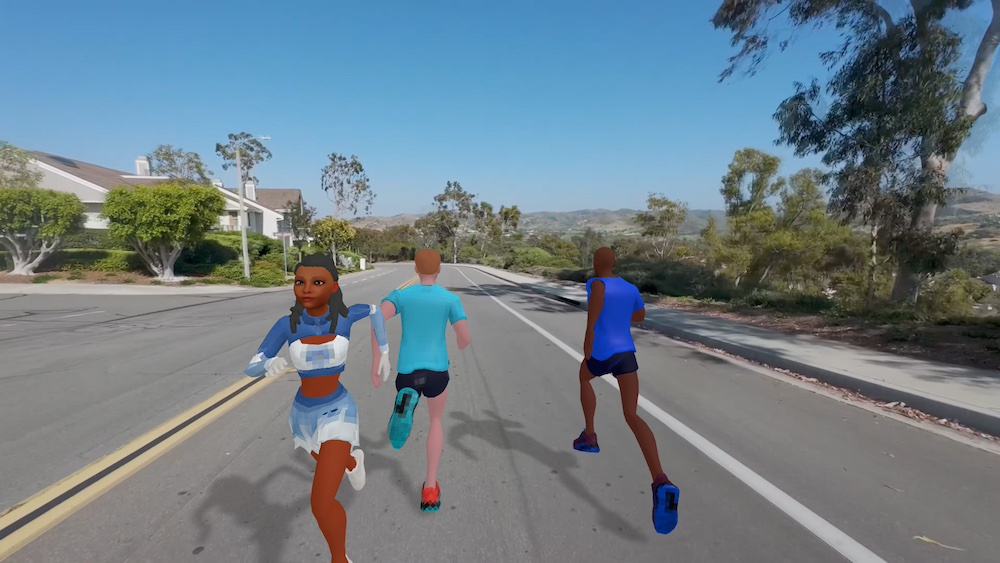
Q3: Is treadmill running boring? A3: Try AR running experiences, virtual running fun, or join online running communities for interaction and enjoyment. You can also listen to music, podcasts, or watch videos to distract yourself.
Safety and Precautions
- Safety First: Ensure there's enough space around the treadmill to avoid tripping
- Body Signals: Pay attention to signs of fatigue or pain, adjust training accordingly
- Hydration: Keep hydrated to prevent dehydration
- Training Plan: Follow a scientific training plan, avoid overtraining
- Recovery: Allow for proper recovery, avoid consecutive high-intensity sessions
Personalized Recommendations
- Adjust Based on Ability: Tailor training intensity and plan to your fitness level and experience
- Incorporate Strength Training: Add strength training to enhance muscle power and reduce injury risk
- Mental Preparation: Maintain a positive mindset, set small goals, and achieve them progressively
- Social Interaction: Join online running communities for support and motivation
Advanced Content: Advanced Techniques and Future Trends
Advanced Techniques
Technique 1: Heart Rate Control:
- Use heart rate monitors to stay within target zones during different training phases
- Learn to adjust training intensity based on heart rate to prevent overtraining
Technique 2: Treadmill Interval Training:
- Try more complex interval sessions like pyramid training (gradual speed increase then decrease)
- Incorporate variable pace runs to simulate race conditions
Technique 3: Treadmill Strength Training:
- Add strength exercises like high knees, butt kicks, side steps on the treadmill
- Use treadmill incline for hill runs to build leg strength
Professional User Recommendations
- Elite Runners: Can attempt higher intensity sessions like R (Repetition Run), but ensure recovery time
- Speed Seekers: Include speed work to improve VO2max
- Race Preparation: Simulate race pace with long treadmill runs
Future Trends
- AR Running Experience: Future treadmills might incorporate more AR technology for an interactive and fun running experience
- Virtual Running: Virtual running will become more prevalent, simulating various terrains and environments
- Online Social Running: Online running communities will grow, offering more interaction and motivation
Conclusion: Your 10K Journey on a Treadmill
Core Points Recap:
- Treadmill training requires a scientific plan and proper pace settings
- Different training types serve different purposes and intensities, adjust based on ability
- An 8-week progression plan can help you gradually build fitness to achieve your 10K goal
- Pay attention to safety, body signals, and recovery to avoid injuries
Actionable Advice:
- Develop a personalized training plan, progressively increase intensity
- Keep a training log, adjust intensity and plan based on feedback
- Join online running communities for support and motivation
- Maintain a positive mindset, set small goals, and achieve them step by step
Encouragement: Your 10K journey on a treadmill is not just a physical challenge but also a journey of personal growth. Every drop of sweat is a testament to your progress towards your goal, and every moment of persistence is a promise to yourself. Remember, running isn't just about reaching the finish line; it's about enjoying every step along the way. Keep going, you've got this!