







Treadmill HIIT Workout: 15 Fat-Burning Moves + Speed Settings
Ultimate Guide to Treadmill HIIT Workouts: 15 Fat-Burning Moves + Speed Settings for Maximum Fat Loss
Introduction
A "Fat-Burning Fiesta" on the Treadmill
Picture this: you're standing in front of your treadmill, ready to engage in a conversation with your body. Outside, the weather might be gloomy, but inside, there's an air of anticipation and energy. You take a deep breath, hit the start button, and the treadmill begins to hum to life. This isn't just another run; it's a celebration of fat burning.
User Pain Points: Many people aim to lose weight through running, but traditional jogging often yields slow results, leading to a loss of motivation. Especially for those with busy schedules, finding an efficient way to burn fat in a short amount of time is crucial.
Article Value: In this article, I'll dive deep into the secrets of treadmill HIIT (High-Intensity Interval Training). With 15 effective fat-burning moves and scientifically set speeds, you'll learn how to transform your treadmill session into a "fat loss accelerator," making your weight loss journey more effective, fun, and sustainable.
What to Expect: You'll transition from a casual runner to a HIIT expert, mastering techniques from basic to advanced, and understanding how to maximize fat burning on a treadmill. Are you ready for the challenge? Let's embark on this fat-burning journey together!
Core Content
Section 1: The Science Behind HIIT
What is HIIT?
HIIT, or High-Intensity Interval Training, involves alternating short bursts of intense exercise with periods of rest or lower-intensity exercise. It's like sprinting in a marathon, pushing your body to its limits in short bursts, then allowing it to recover.
Example: I recall my first HIIT session on the treadmill; I felt like a rabbit being chased, running for my life, gasping for air. But after completing a set, my blood felt like it was boiling with energy, and my muscles were charged with power. It was as if my body was saying, "You can be stronger!"
Personal Experience: HIIT not only boosts your cardiovascular fitness but also burns a significant amount of calories in a short time. Studies show that HIIT can increase calorie burn by 25-30% compared to traditional steady-state cardio.
Section 2: 15 Effective Fat-Burning Moves
Move 1: High Knees
High knees are incredibly effective for fat burning, elevating your heart rate while working your core and thighs. Imagine you're chasing a bus that's about to leave, lifting your knees high with each step.
Key Points:
- Keep your body upright, core engaged.
- Lift your knees as high as your waist with each step.
- Perform for 30 seconds, rest for 15 seconds, repeat 4-5 times.
Case Study: One of my students lost 3.3 pounds in a week by incorporating high knees into her routine. She described the movement as making her feel like a dancer, full of rhythm.
Move 2: Lateral Shuffle
The lateral shuffle targets your obliques and glutes while providing a good cardio workout. Picture yourself dodging obstacles on the road, moving side to side.
Key Points:
- Stay upright, shuffle sideways.
- Take wide steps, maintain a steady rhythm.
- Perform for 30 seconds, rest for 15 seconds, repeat 4-5 times.
Case Study: When I tried lateral shuffles, it felt like dancing, significantly improving my coordination.
Section 3: Setting Your Fat-Burning Pace
How to Set Your Pace?
Pacing is crucial in HIIT; it determines how intensely you can push in short bursts and how quickly you can recover. It's like driving a sports car, knowing when to accelerate and when to ease off.
Example: Once, I set the pace too high and was exhausted within a minute. After adjusting to a suitable rhythm, my training became much more effective.
Personal Experience: Generally, HIIT pacing can be broken down into three phases:
- High-Intensity Phase: Set the treadmill speed to 80-90% of your max heart rate for 30 seconds to 1 minute.
- Recovery Phase: Lower the speed to 50-60% of your max heart rate for 15-30 seconds.
- Repeat: Cycle through these phases 4-6 times.
Section 4: HIIT Training Precautions
Safety First
While HIIT is effective, safety should never be compromised. Like driving on a highway, you need to follow the rules to ensure your safety and that of others.
Key Points:
- Ensure the treadmill's safety key is securely attached.
- Warm up before and cool down after your session.
- Listen to your body; don't push beyond your limits.
Case Study: A friend of mine started HIIT without warming up and ended up with a muscle strain, taking months to recover.
Reflection: Have you ever been injured due to improper training? How can you prevent this from happening again?
Practical Guide
Detailed Steps for Your Workout
Pre-Workout Preparation
- Warm-Up: Walk at a slow pace for 5-10 minutes to get your joints moving and muscles warmed up.
- Treadmill Setup: Adjust the incline and speed according to your fitness level.
- Safety Check: Make sure the safety key is in place and your surroundings are clear.
During the Workout
- Maintain Rhythm: Follow the set pace for high-intensity and recovery phases.
- Breathing: Keep breathing deeply; avoid holding your breath.
- Monitor Heart Rate: Use a heart rate monitor to stay within safe limits.
Post-Workout Recovery
- Stretching: Do a full-body stretch to alleviate muscle tension.
- Hydration: Drink water to aid recovery.
- Log Your Workout: Record your session data for analysis.
Frequently Asked Questions
Q1: Is HIIT too exhausting?
A1: Yes, HIIT can be tiring, but that's what makes it effective for fat burning. The key is to find the right intensity and pace for you, progressing gradually.
Q2: Can I do HIIT every day?
A2: It's not recommended to do high-intensity HIIT daily. Your body needs time to recover. Aim for 2-3 sessions per week, interspersed with other types of workouts.
Personalized Recommendations
Based on your fitness level and goals, HIIT can be tailored:
- For Fat Loss: Increase the proportion of high-intensity intervals, shorten recovery times.
- For Muscle Building: Incorporate strength moves like high knees or lateral shuffles.
- For Cardiovascular Improvement: Extend the duration of high-intensity phases for a greater challenge.
Advanced Techniques
Advanced HIIT Strategies
Variable Speed Running
Variable speed running is an advanced HIIT technique where you change speeds within the high-intensity phase, challenging your body's adaptability. It's like navigating a race track, adjusting speed for different turns.
Key Points:
- Change speed every 10 seconds during the high-intensity phase.
- For example: In 30 seconds, run fast for 10 seconds, then slow for 10 seconds, then fast again.
Case Study: During a variable speed session, I felt like I was playing a speed game, significantly enhancing my body's responsiveness and coordination.
Tips for Experienced Runners
For those with a solid running foundation, consider:
- Incline Increase: Add incline to simulate hill running, increasing workout intensity.
- Strength Training: Incorporate strength exercises like squats or push-ups on the treadmill to boost overall fitness.
Future Trends in Treadmill Training
With technological advancements, treadmill workouts are becoming smarter and more personalized:
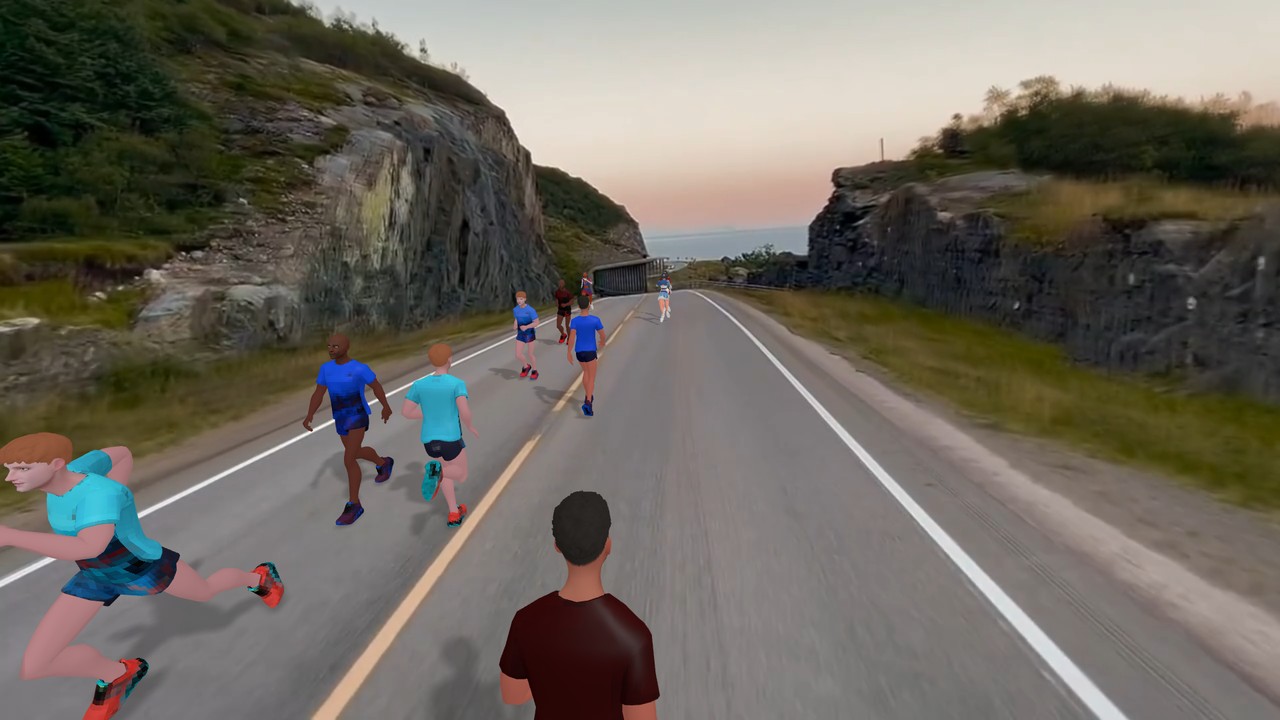
- AR Running Experience: Use AR technology to run through virtual landscapes, making workouts more engaging.
- Virtual Running: Connect with runners worldwide in a virtual environment, enhancing social interaction.
- Online Social Running: Participate in HIIT sessions with friends or strangers online, motivating each other.
Conclusion
Recap of Key Points
In this article, we've explored the science of HIIT, detailed 15 fat-burning moves, set optimal speeds, provided practical guides, answered common questions, and shared advanced techniques and future trends. HIIT not only burns fat efficiently but also improves cardiovascular health and muscle strength.
Actionable Advice
- Plan Your Workouts: Create a HIIT schedule tailored to your fitness level and goals.
- Progress Gradually: Start with basic moves and slowly increase intensity and difficulty.
- Stay Patient: Weight loss is a journey; consistency is key.
Encouragement
Every run is a dialogue with yourself, and every HIIT session is a challenge to your limits. Remember, each step you take is towards a better version of you. Keep going, runners! Let's burn fat together on the treadmill and welcome a healthier, more confident self!
Reflection: Are you ready to start your HIIT journey? Share your questions or insights in the comments below!