







Treadmill vs. Outdoor Running: 15 Key Differences
Treadmill vs. Outdoor Running: A Comprehensive Comparison of 15 Key Differences | How to Choose the Best Running Option for You
Introduction
Choosing Your Running Path: A Conversation with Yourself
Imagine standing at a crossroads: to your left, the path leads to the gym; to your right, a trail into the park. You hesitate because you know that whichever path you choose will start a journey of self-dialogue. Running isn't just exercise; it's a lifestyle choice. As a coach with over a decade of running experience, I've seen many runners waver between treadmill and outdoor running. Today, I'll delve into 15 key differences between these two running styles to help you make the best choice for yourself.
Common Pain Points and Needs
Have you ever felt breathless on a treadmill without seeing progress? Or felt frustrated by weather changes and road conditions during an outdoor run? These are common issues for running enthusiasts. Everyone wants a running method that not only boosts efficiency but also brings joy. This article will address these concerns, offering practical advice to guide you out of confusion.
Value of This Article
This piece will compare treadmill and outdoor running across various dimensions like training effectiveness, environmental impact, and psychological experience. Crucially, I'll incorporate insights from Jack Daniels' "Running Formula" to explain how to scientifically train in both environments, helping you adjust your training intensity based on your personal fitness level to find the running style that suits you best.
Setting Expectations
Are you ready for this exploration? We'll compare these running methods from training effects, environmental factors, to psychological experiences, interspersing my personal running stories and insights. I'll also provide actionable guides and personalized tips to get you moving. Let's uncover the mysteries of running and find your optimal running style.
Core Content
Training Effectiveness Comparison
Scientific Training on a Treadmill
Treadmill training allows for precise control over speed, incline, and duration, which is vital for scientific training based on Jack Daniels' "Running Formula". Here's how to execute different types of training:
E (Easy Run): This is foundational training for recovery and endurance enhancement. On a treadmill, set a comfortable pace, typically 60%-70% of your max heart rate, for 30-60 minutes. It's like a leisurely jog in the park, but you can adjust speed to avoid overexertion.
M (Marathon Pace): This simulates race pace. Set the treadmill to a speed close to your marathon goal pace for 6-12 miles. It's like maintaining your rhythm in a race, but you control environmental variables for consistent training.
T (Tempo Run): Key for raising your lactate threshold. Set a speed faster than marathon pace, usually 80%-85% of max heart rate, for 20-30 minutes. It's akin to a tempo run in the park, but with precise speed control to prevent fatigue.
I (Interval Run): High-intensity training for speed and endurance. Set short bursts of fast running (like 400 meters) with recovery jogs (like 200 meters) in between, repeating several times. It's like track intervals, but with exact control over each interval's time and speed.
R (Repetition Run): For improving VO2 max. Set longer fast runs (like 1 mile) with longer recovery jogs (like half a mile) in between, repeating several times. It's like long repeats in the park, but with precise control over each repetition's time and speed.
Example: I recall doing an I (Interval Run) on a treadmill, setting 8 intervals of 400 meters with 200 meters recovery jogs. By controlling the speed precisely, I not only improved my speed but also avoided overexertion, yielding significant results.
Reflection Question: Have you tried scientific training on a treadmill? What insights have you gained?
The Natural Challenges of Outdoor Running
Outdoor running offers natural scenery and psychological satisfaction but also brings unpredictability:
E (Easy Run): Enjoy the outdoors, but adjust your pace according to terrain and weather.
M (Marathon Pace): Adapt your pace to road conditions and weather to ensure effective training.
T (Tempo Run): Find a flat stretch to maintain your rhythm, though weather and road conditions might affect your training.
I (Interval Run): Locate a suitable segment for intervals, controlling distance and speed.
R (Repetition Run): Find a long stretch for repetitions, controlling distance and speed.
Example: Once, during an R (Repetition Run) in the park, I had to adjust my stride due to uneven terrain, adding difficulty but also increasing my adaptability.
Reflection Question: Have you faced environmental challenges during outdoor runs? How did you handle them?
Environmental Factors Comparison
Stability of the Treadmill
Treadmills provide a controlled environment, shielding you from weather, road conditions, and other external factors:
- Weather: Run comfortably regardless of rain, snow, or heat.
- Road Conditions: A treadmill offers a consistent running surface.
- Safety: Avoid traffic and road hazards.
Example: I once did a long run on a treadmill during a heavy rainstorm, enjoying a stable and safe running experience indoors.
Diversity of Outdoor Running
Outdoor running offers a variety of environments and psychological benefits:
- Scenery: Enjoy parks, riversides, or mountain trails.
- Air Quality: Breathe fresh air, uplifting your mood.
- Psychological Experience: Experience the joy of freedom and exploration.
Example: I remember running on a mountain trail, where the birdsong and fresh air made the run feel effortless.
Reflection Question: Do you prefer the stability of a treadmill or the diversity of outdoor running?
Psychological Experience Comparison
Psychological Challenges on a Treadmill
Treadmill training, while stable, presents psychological challenges:
- Monotony: Running in the same environment for extended periods can become boring.
- Dependence: Getting used to treadmill stability might make outdoor running feel daunting.
Example: Once, I ran for two hours on a treadmill, and time seemed to drag, requiring constant self-motivation.
Psychological Satisfaction of Outdoor Running
Outdoor running provides rich psychological experiences:
- Sense of Freedom: Choose your route and explore new places.
- Sense of Achievement: Completing an outdoor run gives a stronger sense of accomplishment.
Example: During a park run, I encountered a group of kids cheering me on, which warmed my heart and gave me a sense of achievement.
Reflection Question: Have you faced psychological challenges on a treadmill? What psychological benefits have you experienced from outdoor running?
Practical Guide
How to Train Scientifically on a Treadmill
Steps
- Set Goals: Choose E, M, T, I, or R training based on your objectives.
- Adjust Parameters: Set speed, incline, and time to meet training requirements.
- Warm-Up: Do a 5-10 minute warm-up to prevent injuries.
- Train: Follow the set parameters, monitoring heart rate and physical sensations.
- Cool Down: After training, cool down for 5-10 minutes to aid recovery.
Common Questions
- How to Adjust Training Intensity? Adjust speed and incline based on your max heart rate and current physical condition.
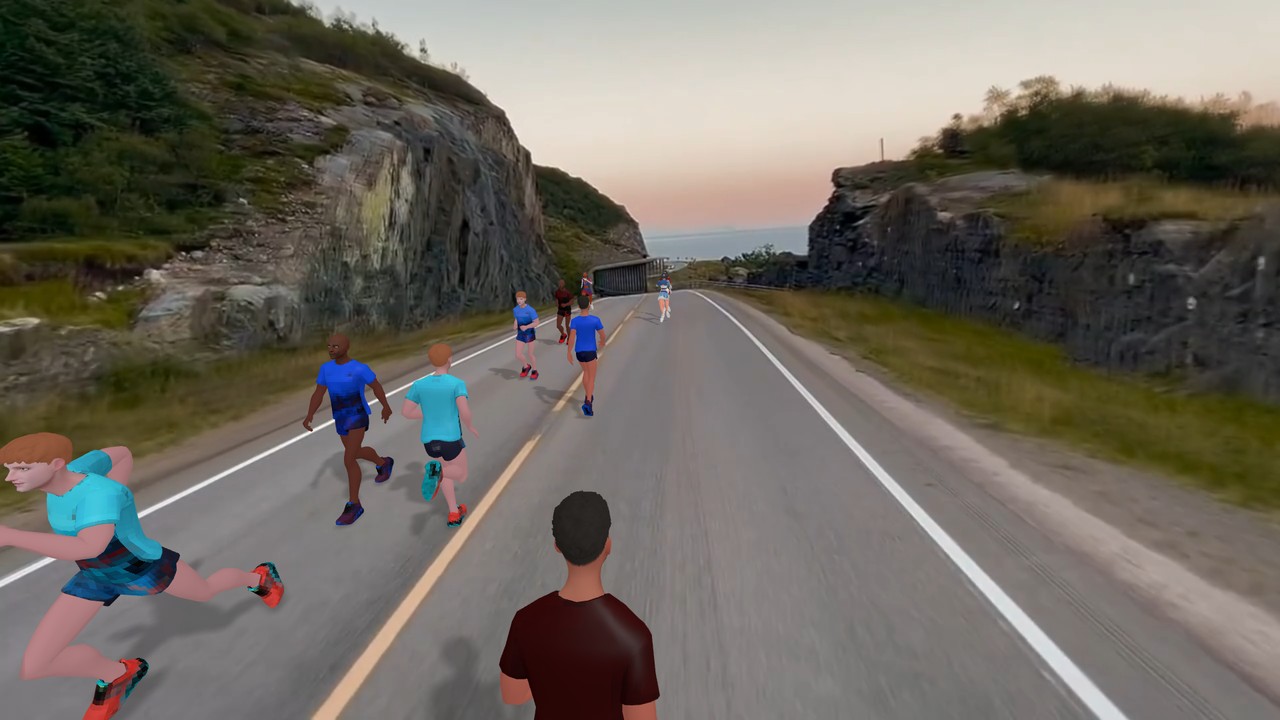
- How to Avoid Monotony? Try AR running experiences or virtual runs for added fun.
Safety Tips
- Safety First: Ensure treadmill safety to avoid accidents.
- Listen to Your Body: Pay attention to physical feedback to avoid overtraining.
Personalized Tips
- Beginners: Start with E (Easy Run) and gradually increase intensity.
- Intermediate Runners: Try M (Marathon Pace) and T (Tempo Run) to boost endurance and speed.
- Advanced Runners: Use I (Interval Run) and R (Repetition Run) to push your limits.
Practical Tips for Outdoor Running
Steps
- Choose a Route: Select a route that matches your training goals.
- Prepare Gear: Wear appropriate running shoes and clothing, carry water and energy supplements.
- Warm-Up: Warm up for 5-10 minutes to prevent injuries.
- Train: Adjust your pace according to road conditions and weather for effective training.
- Cool Down: Cool down for 5-10 minutes post-run to aid recovery.
Common Questions
- How to Deal with Weather Changes? Equip yourself with wind and rain gear, and adjust your training plan if necessary.
- How to Handle Road Condition Changes? Know the route in advance and choose appropriate paths.
Safety Tips
- Safety First: Be mindful of traffic safety, avoid running on dangerous roads.
- Listen to Your Body: Pay attention to physical feedback to avoid overtraining.
Personalized Tips
- Beginners: Choose flat routes and gradually increase distance.
- Intermediate Runners: Try different terrains to enhance adaptability.
- Advanced Runners: Challenge yourself with hill runs or long-distance runs to improve endurance and speed.
Advanced Insights
Advanced Techniques
- Treadmill Interval Training: Utilize the treadmill's precision for high-intensity interval training to boost speed and endurance.
- Outdoor Pace Control: Learn to adjust your pace according to terrain and weather changes to maintain rhythm.
Professional Recommendations
- Treadmill: Explore AR running experiences for added training enjoyment.
- Outdoor Running: Join online running communities for social interaction and motivation.
Future Trends
- Virtual Running: Future VR technology will make treadmill training more engaging.
- Smart Running: Smart devices will provide more precise data analysis for optimized training.
Conclusion
Recap of Key Points
By comparing 15 key differences between treadmill and outdoor running, we've seen that each has unique advantages and challenges. Treadmills offer stability and precise control for scientific training, while outdoor running provides environmental diversity and psychological satisfaction.
Actionable Advice
Choose your running method based on your goals and physical condition. Start with E (Easy Run) on a treadmill and gradually increase intensity; for outdoor running, adapt your pace to road and weather conditions. Remember to warm up and cool down, listen to your body, and avoid overtraining.
Encouragement
Running is a conversation with yourself, and whether you choose a treadmill or the great outdoors, it's a commitment to your health and lifestyle. I hope this article helps you find the running style that best suits you, allowing you to enjoy every run. Remember, running is not just exercise; it's a way of life. Keep going, runners!